Blue Revolution: The PPB Guide to Bankable Modern Fish Farming
The Strategic Depth of Modern Aquaculture
Redefining the Aquatic Economy
Modern fish farming is no longer a simple pond behind a house. While traditional methods served families, bankable projects must serve global markets and demanding lenders. Therefore, Project Profile Bangladesh (PPB) engineers documents that treat fish as high-value inventory. Because the world population is rising, the demand for clean protein is at an all-time high. Rather than relying on seasonal luck, we build systems driven by data and technology. While nature provides the life, our profiles provide the structure.
A bankable profile serves as the ultimate translator between a farmer and a banker. While a biologist focuses on dissolved oxygen, a loan officer focuses on the internal rate of return (IRR). Therefore, we blend these two worlds into a single, cohesive narrative. Because lenders fear high mortality rates, we provide rigorous biosecurity protocols in every draft. While the risks are real, our mitigation strategies make them manageable. Rather than a vague idea, we present a factory that operates underwater. This clarity is why PPB is the leader in regional project design.
Technical Excellence in Fish Production
Choosing the Right Culture System
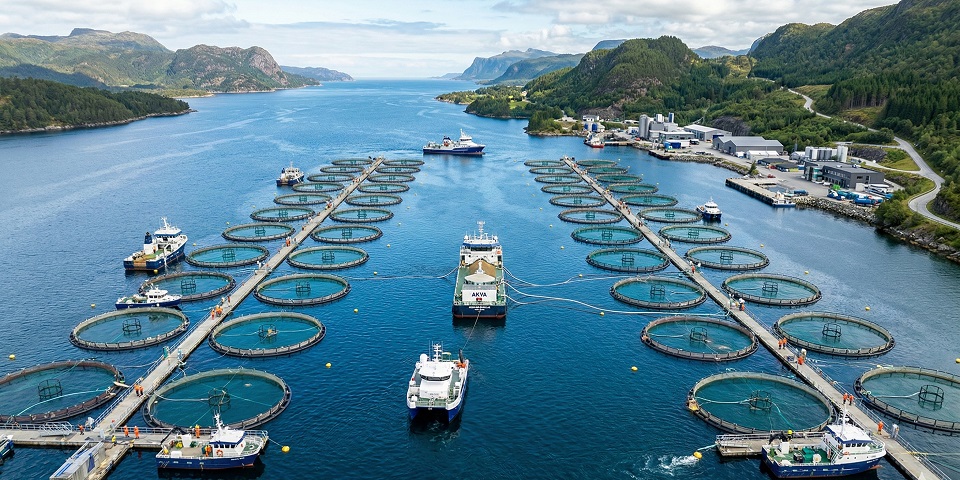
The heart of a bankable fish farm is the choice of technology. While Biofloc and Recirculating Aquaculture Systems (RAS) are popular, they require massive technical precision. Therefore, we evaluate your land and water quality before recommending a specific path. Because energy costs can sink a project, we calculate the exact power needs for every pump and aerator. While high-density farming yields more fish, it also demands more backup systems. Rather than guessing, we use engineering standards to size your tanks.
Species Selection and Market Alignment
Growing the wrong fish is the fastest way to lose money. While Tilapia and Catfish are hardy, high-value species like Barramundi or Shrimp often offer better margins. Therefore, we conduct a thorough market analysis to ensure your harvest has a buyer. Because prices fluctuate, we build our revenue models on conservative market averages. While it is tempting to chase the highest price, we prioritize steady cash flow. Rather than a “get rich quick” scheme, we plan for a sustainable business. This logic ensures the bank sees a reliable partner in your venture.
Financial Engineering for Success
Capex and Opex Precision
Banks scrutinize the initial setup costs more than any other section. While you need high-quality liners and feeders, you must also justify every cent spent. Therefore, PPB provides a line-item breakdown of your capital expenditure (CAPEX). Because operating costs (OPEX) like feed and labor can be volatile, we include a 15% buffer. While others ignore the cost of fingerlings, we track them to the last unit. Rather than a rounded number, we provide quotes from verified suppliers. This level of detail builds immediate trust with financial institutions.
Revenue Projections and Break-Even Analysis
An investor needs to know exactly when the first harvest hits the market. While fish grow at different rates, we use biological growth curves to predict your sales. Therefore, our financial models show month-by-month cash flow for the first three years. Because the first year is often “capital heavy,” we show how you will bridge the gap. While we project profits, we also highlight the “break-even” point in terms of tonnage. Rather than a hopeful guess, this is a mathematical certainty based on your farm’s capacity.
Risk Management and Biosecurity
Safeguarding the Living Asset
In fish farming, the biggest risk is a total loss of stock. While disease can spread quickly, a well-designed farm has “quarantine” zones to stop the fire. Therefore, PPB integrates strict biosecurity measures into the operational plan. Because water quality is the lifeblood of the project, we mandate automated monitoring systems. While technology can fail, we include manual backup procedures for every critical task. Rather than ignoring the threat, we make it a core part of our defense. This proactive stance is what makes a project truly “bankable.”
Environmental and Social Governance (ESG)
Modern lenders are increasingly focused on how your farm impacts the earth. While water discharge can be a pollutant, we design treatment systems that recycle nutrients. Therefore, your profile will meet international standards for environmental safety. Because social impact is also a metric, we highlight the jobs created in the local community. While profit is the goal, a “clean” project attracts lower interest rates from green funds. Rather than a burden, we treat ESG as a tool for better financing.
The PPB Advantage: Why Our Profiles Close Deals
Local Expertise with Global Standards
We understand the specific challenges of farming in Asia and Africa. While global templates exist, they often fail to account for local heat or humidity. Therefore, we adjust our technical specs to match your specific climate. Because we have a deep relationship with regional banks, we know their “secret” requirements. While you focus on the water, we focus on the paperwork. Rather than a generic document, you receive a bespoke blueprint for growth.
A Roadmap to Implementation
A profile is useless if it sits on a shelf collecting dust. While we provide the document, we also provide a “Day 1” checklist for your team. Therefore, you can move from the bank’s office straight to the construction site. Because we value your time, we ensure the profile is ready for immediate submission. While the process is intense, the result is a project that stands the test of time. Rather than a consultant, think of PPB as your technical co-founder.
Conclusion: Casting a Wider Net
The future of food is underwater, and the capital is ready to flow. While many are afraid of the complexity, those with a bankable profile will lead the way. Therefore, PPB is committed to making your aquaculture dream a financial reality. Because we believe in the Blue Revolution, we put our best minds on every page. While the journey is long, it begins with a single, professional document. Rather than waiting for the tide to turn, let us help you build the ship today.