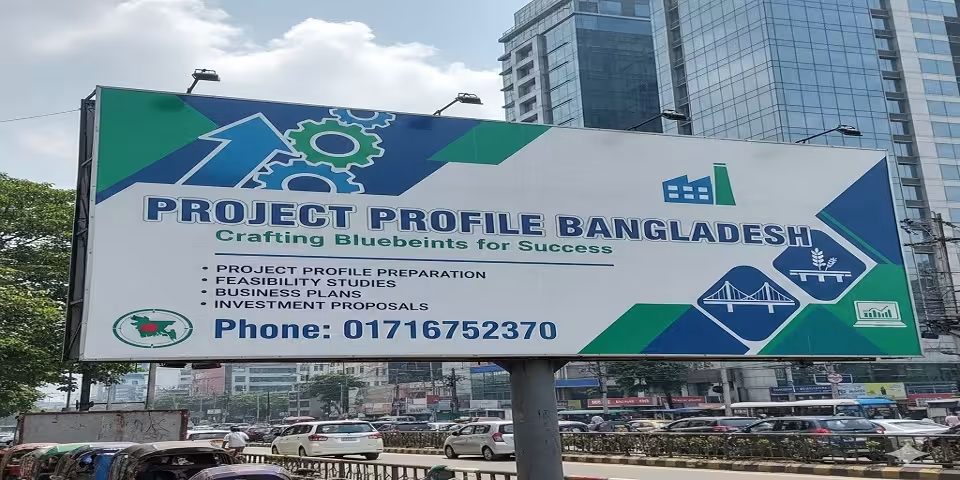
Man-Made Fiber (MMF) & Synthetic Fabrics Industry: Bankable Project Profiles & Financial Advisory Services
Revolutionizing Bangladesh Textile Sourcing via Strategic MMF Investments
Global apparel consumption is undergoing an unprecedented structural pivot away from pure cotton toward high-performance synthetic textiles. Because international buyers increasingly demand sportswear, activewear, thermal outerwear, and technical textiles, traditional cotton-dominated supply chains face significant growth limitations. Modern textile enterprises must pivot toward Man-Made Fiber (MMF) extrusion, Polyester Staple Fiber (PSF) processing, and synthetic fabric weaving to secure higher export margins. Rather than relying heavily on imported synthetic gray fabric and raw yarn, local industrialists are scaling backward integration through multi-million-dollar industrial processing facilities.
This structural transition is driven by the urgent need to capture the global $100 billion MMF market while reducing reliance on raw cotton imports. Setting up an industrial MMF spinning, texturizing, or synthetic weaving facility requires massive initial capital outlays, complex chemical plant setups, and strict environmental compliance. Consequently, project promoters need engineered blueprints and bank-ready feasibility documentation before approaching commercial institutions or foreign direct investors.
Our dedicated industrial advisory team delivers end-to-end Project Profile Preparation and Financial Consultancy Services tailored specifically for MMF, polyester, viscose, acrylic, and high-tenacity synthetic fabric projects. Combining deep market analytics, structural civil planning, and rigorous credit risk evaluation, we help project promoters convert complex chemical-textile concepts into bankable financial instruments.
Technical Project Profile Preparation: The Industrial Master Blueprint
An industrial Project Profile for an MMF or synthetic fabric plant goes far beyond a basic business summary. It serves as a comprehensive technical, environmental, and spatial blueprint required by financial institutions, Bangladesh Investment Development Authority (BIDA), economic zone authorities, and equipment vendors.
| Project Profile Dimension | Technical & Engineering Specifications | Operational & Environmental Protocols |
|---|---|---|
| Core Plant Focus | Polymerization, chip drying, melt spinning, & water-jet weaving | Thermal energy recovery, ZDHC liquid waste management, & safety |
| Infrastructure Engineering | Heavy machinery foundations, HVAC clean-zones, & utility grids | High-pressure steam piping, thermal oil loops, & chemical vaults |
| Capacity Roadmaps | 5- to 10-year output scaling across Filament (POY/FDY) & PSF | Polymer chip sourcing (PTA/MEG) & circular rPET flake integration |
Essential Components of Our MMF Project Profiles
- Process Flow & Mass Balance Engineering: Precise input-output mapping from Purified Terephthalic Acid (PTA) and Monoethylene Glycol (MEG) or PET chips down to micro-denier yarns and finished synthetic textiles.
- Civil & Spatial Layout Architecture: Optimized factory floor layout ensuring unidirectional material movement across spinning towers, draw-texturizing (DTY) bays, warping areas, and water-jet or air-jet loom sheds.
- Utility & Auxiliary Load Forecasting: Comprehensive sizing for heavy-duty thermic fluid heaters, high-volume nitrogen generators, compressed air units, continuous water treatment systems, and high-tension sub-stations.
- Regulatory & Environmental Compliance Framework: Integrated blueprints for Zero Liquid Discharge (ZLD) Effluent Treatment Plants (ETP) and atmospheric emission controls to meet LEED, Higg Index, and national department standards.
Strategic project profiles eliminate spatial bottlenecks long before civil construction begins. While proper spinning tower height and humidity control prevent fiber breakage during high-speed texturizing, unoptimized plant engineering causes heavy yarn waste and operational downtime. Investing in a professionally prepared project profile safeguards initial equity and accelerates regulatory project approvals.
Financial Consultancy & Bank Loan Advisory for High-CAPEX MMF Units
Securing long-term capital for synthetic textile projects requires high-level financial engineering because MMF mills involve substantial machinery investments, foreign currency risk, and extended payback periods. Our specialized financial consultancy team structures bankable credit proposals, stress-tests financial models, and guides promoters through commercial project financing.
| Financial Indicator | Conventional Cotton Mill | Modern Automated MMF / Synthetic Plant | Strategic Investor Advantage |
|---|---|---|---|
| Initial CAPEX Intensity | Moderate Initial Setup Capital | High Capital Outlay (Machinery & Utilities) | Advanced extrusion technology yields multi-decade operational efficiency. |
| Raw Material Volatility | High (Crop Yields & Climate Spikes) | Moderately Stable (Petrochemical Linked) | Predictable feedstock planning reduces seasonal price disruptions. |
| Operational Labor OPEX | Labor Intensive | Highly Automated Continuous Processing | Automation cuts direct spinning and texturizing labor overhead. |
| Export Value Addition | Standard Margins (Commodity Items) | Premium Margins (Technical & Activewear) | Synthetic fabrics command significantly higher FOB export values. |
| Average Payback Period | 48 – 60 Months | 30 – 42 Months | High product throughput accelerates debt servicing and equity returns. |
Securing Agricultural & Industrial Credit with Bank-Ready Documents
Financial underwriters evaluate synthetic fiber projects with extreme scrutiny due to complex global supply chains. Therefore, our financial consultancy team prepares structured bank documentation, including multi-scenario Cash Flow Statements, Debt-Service Coverage Ratios (DSCR), Internal Rate of Return (IRR) models, and Sensitivity Analyses.
Rather than presenting static financial projections, we model profitability against energy price fluctuations, raw PET chip price changes, and foreign exchange rates. Consequently, your project dossier commands confidence among credit committees, accelerating credit approvals, foreign commercial borrowing permissions, and structured grace periods.
Synthetic Fabric Value Chain & Technical Machinery Layouts
Understanding the full processing spectrum—from virgin or recycled polymer to finished high-performance synthetic fabric—is essential for accurate project scoping. Our preparation services cover every segment of the MMF value chain, enabling targeted capital allocation based on market demand.
| Value Chain Segment | Primary Equipment & Process Technologies | Output & End-Use Markets |
|---|---|---|
| Polyester Staple Fiber (PSF) | Continuous Polymerization, Melt Spinning, Tow Lines, Cutter | Spun yarn blending (Poly-Cotton), non-woven padding, insulation |
| Filament Yarn (POY / FDY / DTY) | Extrusion Towers, High-Speed Winder, Draw Texturizing Machines | Sportswear, activewear, stretch fabrics, sewing threads, linings |
| Synthetic Fabric Weaving | Water-Jet Looms, High-Speed Air-Jet Looms, Sectional Warping | High-density nylon/polyester fabrics, taffeta, oxford, microfiber |
| Dyeing & Technical Finishing | High-Pressure Jet Dyeing, Stenters, Membrane Lamination | Waterproof, windproof, flame-retardant, & UV-protective textiles |
Specialized Technical Features Addressed in Our Feasibility Profiles
- Backward Linkage Integration: Mapping the transition from importing PET chips to direct PTA/MEG chemical polymerization for scale advantages.
- Recycled MMF (rPET) Systems: Incorporating plastic bottle washing lines, flake purifiers, and rPET chip-to-fiber spinning technologies for circular economy compliance.
- Water & Air-Jet Loom Selection: Sizing high-efficiency weaving equipment based on fabric density, denier range, and daily water consumption metrics.
- Specialty Finish Engineering: Feasibility studies for functional coatings, breathability membranes, and elastomeric additions (spandex/elastane blending).
Detailed technical mapping prevents machinery mismatching. While automated high-speed water-jet looms offer massive fabric output, they require dedicated water recovery plants and specialized warp sizing chemicals. Our engineered profiles address these auxiliary dependencies upfront to prevent unexpected capital expenditure spikes during installation.
Sustainable Utilities, ZLD Systems, & Regulatory Clearances
Environmental sustainability is a non-negotiable prerequisite for global textile buyers and financial institutions funding industrial project developments. Synthetic fabric dyeing and processing plants demand robust chemical management systems and energy-efficient utilities to achieve compliance.
Environmental & Auxiliary Utility Infrastructure Elements
- Zero Liquid Discharge (ZLD) ETPs: Multi-stage reverse osmosis (RO), mechanical vapor re-compression (MVR), and evaporator systems to recycle up to 95% of process wastewater.
- Energy-Efficient Steam & Power Generation: High-efficiency co-generation plants using waste-heat recovery boilers connected to gas or dual-fuel turbines.
- Thermal Energy Management: Closed-loop thermic fluid heating circuits designed to deliver precise high temperatures for stenter heat-setting operations.
- Air Emission Controls: Wet scrubbers and electrostatic precipitators installed on thermic heaters and finishing lines to capture volatile organic compounds (VOCs).
Incorporating sustainable design from day one streamlines green factory certification (such as LEED Platinum or Gold). Beyond regulatory approval, eco-efficient utility planning cuts long-term energy costs, reduces chemical consumption, and places your MMF enterprise in prime position for long-term international brand sourcing.
Why Integrated Project Preparation Drives Superior Industrial ROI
Managing separate firms for civil layout planning, banking reports, equipment sourcing, and environmental planning leads to communication breakdowns, project delays, and budget overruns. In contrast, partnering with an integrated consultancy firm ensures every technical, financial, and mechanical detail moves in total sync.
| Advisory Service | Key Deliverables & Outcomes | Strategic Value to Promoters |
|---|---|---|
| Project Profile Preparation | Master architectural plans, technical specs, utility loads | Accelerates BIDA, DOE, & Economic Zone land approvals |
| Financial Consultancy | Bankable financial reports, DSCR & debt syndication models | Secures fast loan sanctioning with optimal debt-equity ratios |
| Machinery Advisory | Vendor evaluation, capacity matching, import verification | Eliminates technology mismatch and reduces setup delays |
Advantages of Partnering with Our Consultancy Firm
- End-to-End Single-Point Support: Avoid conflicts between civil engineers, machinery suppliers, and financial institutions.
- Optimized Capital Execution: Align machinery arrival dates with civil readiness and bank loan disbursement schedules.
- Rapid Project Commissioning: Synchronized project management reduces setup timelines by months, getting your plant to market faster.
- Comprehensive Regulatory Alignment: Bankable documentation tailored to local central bank guidelines and international ESG investment standards.
Combining engineered technical profiles, comprehensive financial advisory, and deep synthetic textile industry expertise provides a clear pathway from initial land allocation to full commercial production. Consequently, your MMF and synthetic fabric project achieves rapid capital payback, resilient market positioning, and sustained long-term profitability.